
About
Our Story
The Falconry Experience began almost by accident.
Anita had been a falconer for most of Sammi’s life, so it was only natural that Sammi eventually became one too. Mother and daughter shared a passion for animals, education, and—most importantly—making learning fun.
Then there was Ranger, their Harris’s hawk.
Ranger loved learning new things and seemed to enjoy everyone he met. People naturally gravitated toward him, asked questions, and wanted to know more. Without really intending to, Anita and Sammi found themselves educating people everywhere they went.
The Falconry Experience grew from those moments.

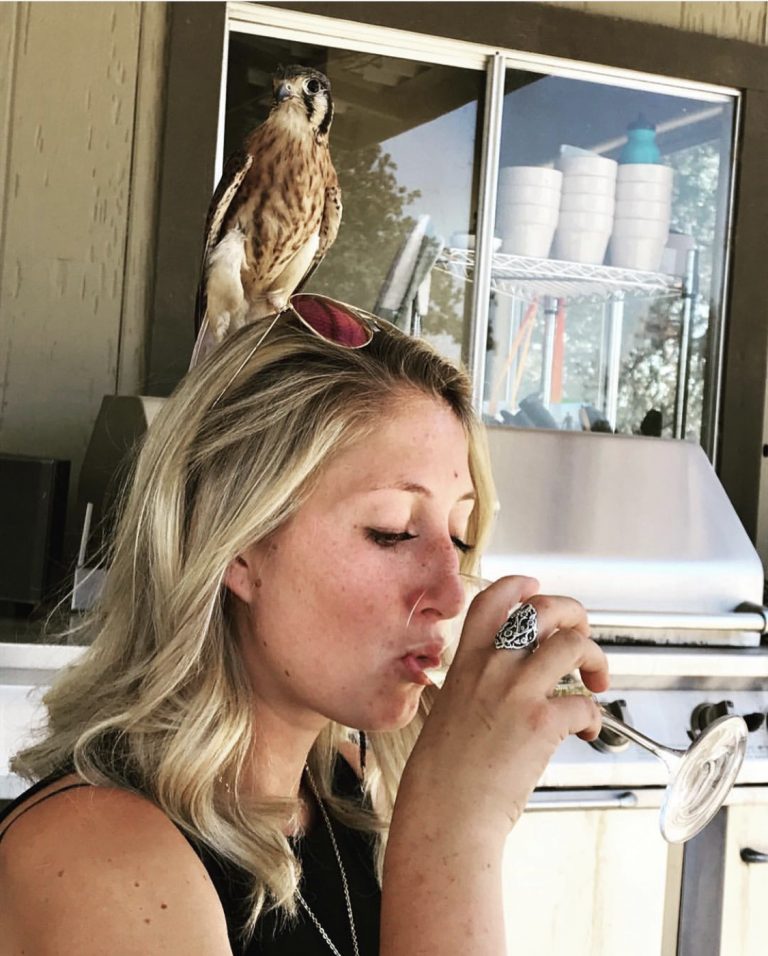
Anita and Sammi believed there was something powerful about experiencing an animal firsthand. Something real, tangible, and alive—with its own personality, likes, dislikes, and character. That kind of connection can change the way you see an animal in a way that a book or film simply can’t.
Working together came naturally. They slipped into their roles, played off one another, and complemented each other. Sammi had a special gift for making learning feel like something you didn’t know you needed in your life. She was patient and accepting of people’s fears and previous beliefs, and people were drawn to her.
After Sammi passed away, Anita knew that what they had created together needed to continue.
Meghan was already connected to their story. She and Sammi had worked together at Zoo to You, and Sammi admired Meghan and occasionally asked her to help with Falconry Experience events. Later, Meghan approached Anita wanting to continue working with animals and learn more. She began helping with the birds and experiences, and she simply fit. Meghan and Anita quickly became close friends, and eventually partners.
Today, The Falconry Experience begins a new chapter in Lockwood Valley.
Surrounded by open space and a more natural setting, the birds can fly away from the cars, buildings, and crowds of everyday life. It’s secluded, peaceful, and exactly the kind of setting where people can slow down and experience these animals for themselves.
Our hope is simple.
That when you leave, you notice the natural world around you a little more. That you understand why predators are so important. And that you realize these remarkable animals aren’t simply species in a book—they are individuals with personalities, preferences, relationships, and the ability to develop extraordinary trust.
Sometimes you have to experience something for yourself to truly understand it.